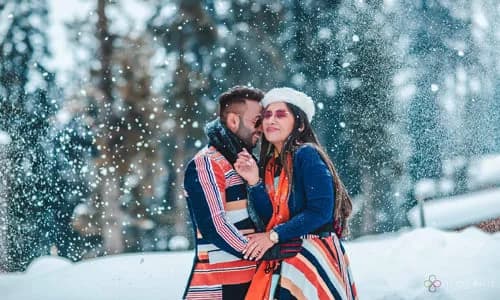
Honeymoon5 Nights / 6 Days
Romantic Kashmir Escape
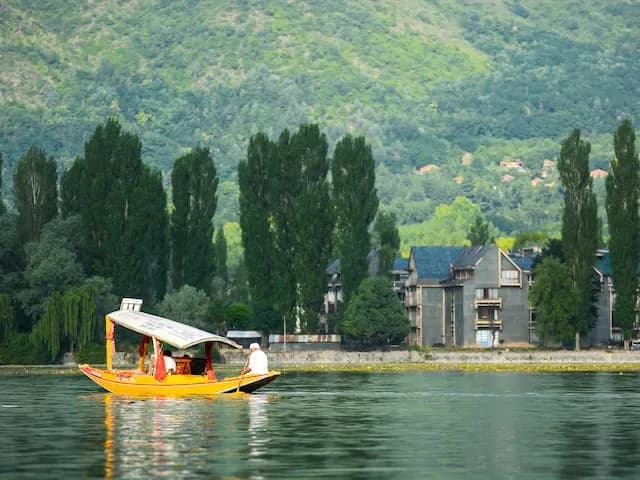
Private Kashmir escape shaped for slow mornings, scenic moments, and a journey that feels romantic without feeling rushed.
View packageA detailed look at what each season brings to Kashmir, helping you choose the right time for your travel style, priorities, and group type.
Kashmir changes character with every season. Spring brings tulips and gentle warmth, summer offers cool green valleys, autumn paints the Chinar trees gold, and winter covers Gulmarg in deep snow. Choosing the right time to visit depends less on a single "best" month and more on what kind of experience you are hoping for. This guide walks through each season so you can plan with clarity rather than guesswork.
Spring is when Kashmir begins to wake up. The snow starts to melt in the lower valleys, tulips bloom in Srinagar's Indira Gandhi Memorial Tulip Garden, and the weather turns mild and pleasant. Temperatures range from 10°C to 22°C, making it comfortable for sightseeing without heavy layering.
This is an excellent season for couples and first-time visitors. Srinagar, Pahalgam, and the Mughal Gardens are at their most photogenic. Gulmarg may still have some snow at higher altitudes, adding variety to your itinerary. Spring is also less crowded than peak summer, which means a more relaxed experience at popular spots.
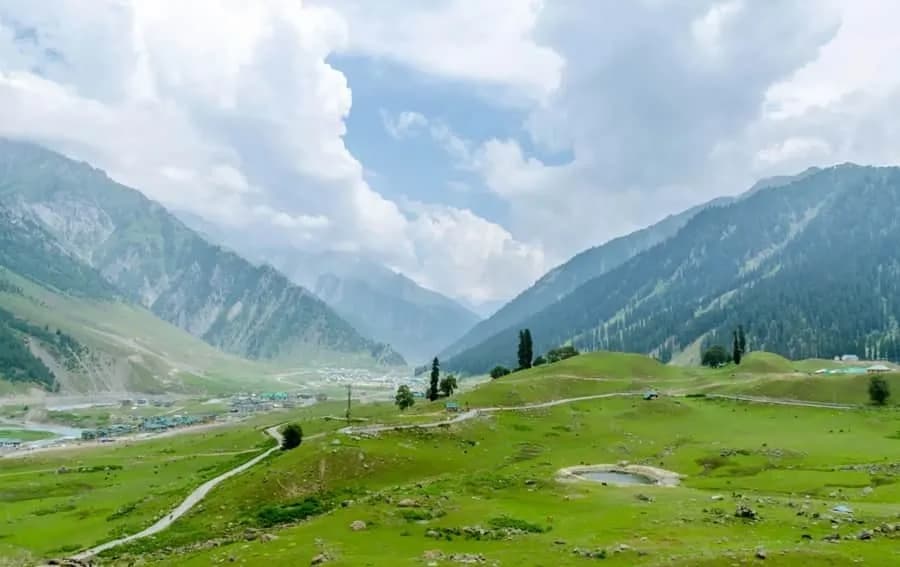
Summer is Kashmir's peak tourist season, and for good reason. Daytime temperatures hover around 20°C to 30°C -a welcome escape from the heat across most of India. All destinations are fully accessible, roads are clear, and the valley is lush and green.
This is the best window for families and travelers who want the widest range of experiences -from houseboat stays on Dal Lake to pony rides in Pahalgam and gondola trips in Gulmarg. Local markets, gardens, and outdoor experiences are in full swing. The trade-off is higher visitor volume, so planning ahead and choosing well-paced itineraries matters more during this period.
Autumn is often called the most beautiful season in Kashmir, and travelers who have visited during this window tend to agree. Chinar trees turn amber and gold, the air becomes crisp, and the landscape takes on a warm, cinematic quality that photographs beautifully.
September and October are particularly striking. Temperatures are comfortable -around 10°C to 20°C -and tourist crowds thin out compared to summer. This is an ideal season for couples, photographers, and anyone who values atmosphere over activity. Pahalgam and Srinagar are especially photogenic during these months.
Winter transforms Kashmir into a different world. Gulmarg becomes a snow destination with skiing and snowboarding, Dal Lake takes on a still, misty character, and the valley sees significantly fewer visitors -offering a quieter, more introspective experience.
Temperatures can drop below freezing, especially at night, so warm clothing is essential. Road access to some higher-altitude areas may be limited depending on snowfall. For travelers who enjoy snow, cold-weather adventure, or simply want to see Kashmir in its most dramatic state, winter is deeply rewarding. Many honeymoon couples find winter Kashmir especially romantic.
If you are a first-time visitor who wants comfortable weather and access to all destinations, aim for April to June or September to October. If you are a couple looking for romance and atmosphere, autumn and early winter offer a distinct mood. Families with young children tend to prefer the predictability and warmth of summer.
Adventure seekers and snow enthusiasts will find December to February most exciting, particularly in Gulmarg. And if you want a quieter, more reflective journey, the shoulder months -March, early April, November -offer a mix of beauty and solitude that the peak seasons cannot match.
Regardless of the season you choose, Kashmir rewards travelers who plan ahead. Stays during peak seasons book up early, certain roads have seasonal access windows, and the best itineraries are those shaped around your dates rather than forced into a rigid template.
Working with a travel planner who understands Kashmir's seasonal rhythms can help you avoid common timing mistakes -like arriving in Gulmarg expecting snow in late March, or scheduling a houseboat stay during a particularly cold January week. The right guidance makes the difference between a good trip and a genuinely memorable one.
Related Packages
Private Kashmir escape shaped for slow mornings, scenic moments, and a journey that feels romantic without feeling rushed.
View package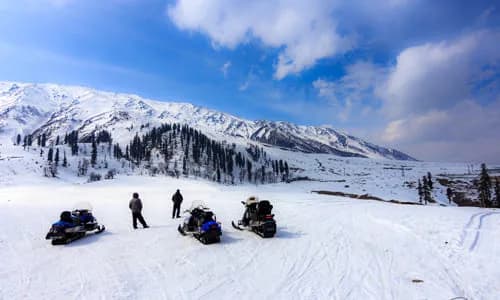
Comfort-first Kashmir itinerary with balanced pacing, practical planning, and experiences that work across generations.
View package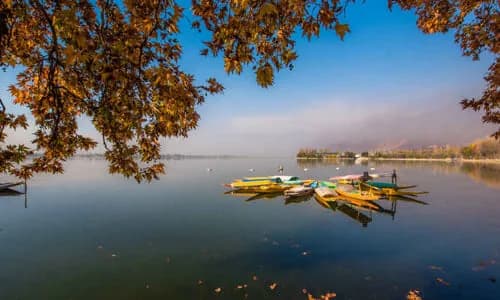
A polished route through Kashmir's signature landscapes for travelers who want the highlights delivered with calm structure.
View packageDestinations
Ready to Plan?
Tell us your dates, group type, and preferences -we will shape a Kashmir plan that brings the best of this guide to life.
FAQs
Kashmir has well-established tourism infrastructure across all seasons. Winter travel requires more preparation due to cold temperatures and occasional road closures at higher altitudes, but the major destinations remain accessible. It is always wise to check current conditions before finalizing dates.
The shoulder months -March, early April, and November -tend to see lower visitor volumes and more flexible pricing for stays. Winter outside the Gulmarg ski season can also be more affordable, though availability varies.
Five to seven days is a comfortable range for most first-time visitors. This allows time for Srinagar, one or two nearby destinations like Gulmarg or Pahalgam, and some unplanned breathing room for spontaneous moments.
Kashmir receives some rainfall during summer, particularly in July and August. It is usually intermittent rather than persistent, and rarely disrupts a well-planned itinerary. Carrying a light rain jacket is recommended.
Continue Reading
Everything you need to know before visiting Gulmarg in winter -from the gondola experience and skiing options to staying warm and getting there safely.
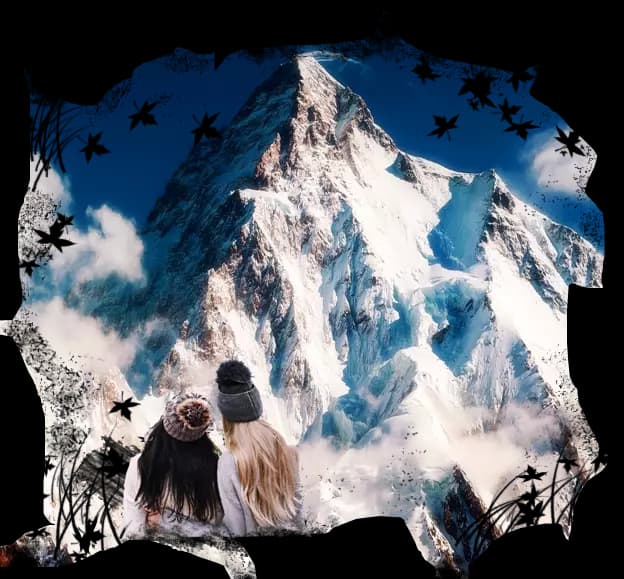
A well-paced, day-by-day Kashmir itinerary covering Srinagar, Gulmarg, and Pahalgam -designed for first-time visitors who want highlights without the rush.
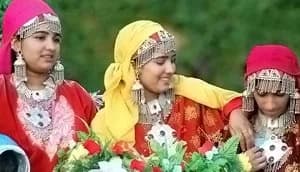
A clear, season-aware packing guide for Kashmir covering clothing, footwear, electronics, health essentials, and the items most travelers forget.
Explore more Kashmir travel guides, browse curated packages, or discover Kashmir destinations.